
A stroke can change a person’s life within minutes. One of the most common complications after a brain stroke is paralysis, which may affect the face, arm, leg, or one side of the body. This condition, known as hemiplegia after stroke, can make daily activities difficult and may impact mobility, speech, balance, and independence. However, with timely medical care, rehabilitation, and guided therapy, many patients can achieve significant improvement over time.
If you are searching for the best paralysis doctor in Jaipur or a trusted paralysis treatment specialist, understanding the recovery process and available treatment options can help families make informed decisions.
What Causes Paralysis After Stroke?
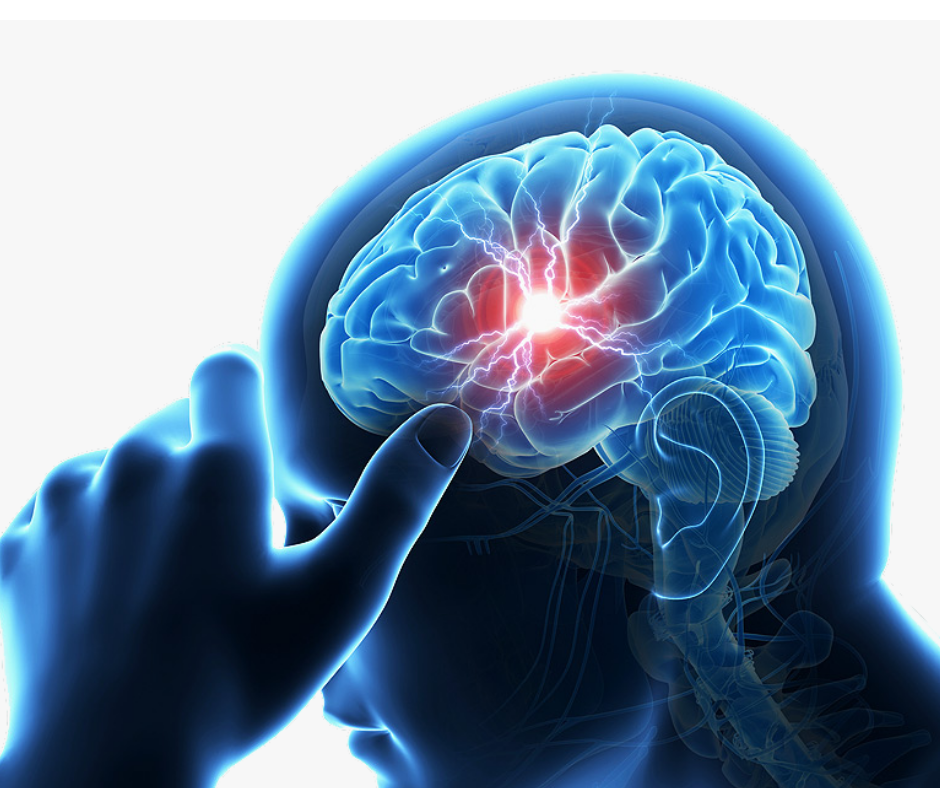
A stroke occurs when blood supply to a part of the brain is interrupted. Without oxygen and nutrients, brain cells begin to die. When the affected brain area controls movement, the patient may experience brain stroke paralysis.
The severity of paralysis after stroke depends on:
The type and location of the stroke
The amount of brain damage
How quickly treatment was started
The patient’s overall health and age
Some patients experience mild muscle weakness after stroke, while others may lose movement completely on one side of the body.
Common Types of Stroke Paralysis
1. Hemiplegia
Paralysis on one side of the body. This is one of the most common conditions seen after a stroke.
2. Hemiparesis
Partial weakness on one side of the body rather than complete paralysis.
3. Facial Paralysis
Weakness in facial muscles that can affect speech and swallowing.
4. Muscle Spasticity
Tight and stiff muscles caused by nerve damage after stroke.
Understanding these symptoms early helps in planning effective post stroke paralysis treatment.
Paralysis Recovery Timeline After Stroke
Every patient heals differently, but stroke paralysis recovery often follows a general timeline.
First 24–72 Hours
Immediate emergency treatment is critical. Doctors focus on restoring blood flow and preventing further brain damage.
First Few Weeks
Patients usually begin stroke rehabilitation therapy in the hospital. Early movement exercises help reduce stiffness and improve circulation.
1–3 Months
This is often the fastest recovery phase. During this time:
Muscles may regain some movement
Balance training begins
Stroke physiotherapy treatment becomes more intensive
Speech and swallowing therapy may start
3–6 Months
Neurological rehabilitation continues with:
Mobility improvement after stroke
Coordination exercises
Strength-building therapy
Occupational therapy after stroke
Beyond 6 Months
Recovery may continue slowly for years with consistent therapy and exercises. Many patients improve through long-term paralysis physiotherapy and home rehabilitation programs.
Signs of Positive Stroke Recovery
Recovery differs for each individual, but common signs include:
Improved hand or leg movement
Better balance and posture
Reduced muscle stiffness
Improved speech clarity
Increased independence in daily tasks
Early rehabilitation and proper paralysis management techniques often improve long-term outcomes.
Best Treatments for Paralysis After Stroke
1. Physiotherapy for Stroke Recovery
Stroke physiotherapy treatment is one of the most important parts of recovery. Physiotherapists help patients:
Improve muscle strength
Restore walking ability
Improve joint flexibility
Prevent muscle stiffness
Common paralysis recovery exercises include:
Range-of-motion exercises
Standing balance training
Walking support exercises
Hand coordination activities
Regular paralysis physiotherapy improves mobility and helps restore independence.
2. Occupational Therapy After Stroke
Occupational therapy focuses on helping patients perform daily tasks such as:
Eating
Dressing
Bathing
Writing
Using household items
Therapists teach adaptive techniques and exercises to rebuild motor skills.
3. Speech Therapy for Stroke Patients
Some strokes affect communication and swallowing abilities. Speech therapy helps improve:
Speaking clarity
Language understanding
Swallowing function
Cognitive communication skills
Speech therapy is essential for patients with facial weakness or speech difficulties.
4. Neurological Rehabilitation
Neurological rehabilitation combines multiple therapies under expert supervision. It focuses on restoring brain and nerve function through:
Physical therapy
Cognitive exercises
Muscle stimulation
Balance training
Coordination exercises
Many patients benefit from treatment at a specialized rehabilitation center for stroke patients.
Importance of Early Rehabilitation
Early treatment plays a major role in nerve recovery after stroke. Delayed rehabilitation may increase the risk of:
Permanent stiffness
Joint deformities
Muscle loss
Reduced mobility
Starting rehabilitation within the first few days after stroke often improves long-term recovery outcomes.
Stroke Rehabilitation Exercises at Home
Doctors and therapists may recommend home-based stroke rehabilitation exercises such as:
Arm lifting exercises
Finger grip training
Leg strengthening exercises
Seated marching
Walking practice with support
Stretching exercises
Families should encourage regular practice while ensuring patient safety.
Emotional and Mental Recovery
Stroke recovery is not only physical. Many patients experience:
Anxiety
Depression
Frustration
Emotional imbalance
Support from family members, counselors, and rehabilitation specialists is important for overall healing and motivation.
Tips for Faster Stroke Paralysis Recovery
Maintain Consistency
Daily therapy sessions improve muscle memory and nerve response.
Follow a Healthy Diet
Nutritious food supports brain healing and energy levels.
Stay Physically Active
Guided movement helps improve circulation and muscle function.
Prevent Secondary Complications
Proper positioning and exercise reduce risks of bed sores and joint stiffness.
Regular Medical Follow-Ups
Consulting the best paralysis doctor in Jaipur ensures timely adjustments in treatment plans.
When to Consult a Paralysis Treatment Specialist
Seek medical help immediately if a stroke patient experiences:
Sudden weakness
Difficulty speaking
Loss of balance
Muscle stiffness
Difficulty swallowing
Reduced mobility
A qualified paralysis treatment specialist in Jaipur can evaluate the condition and create a personalized recovery plan.
Choosing the Right Rehabilitation Support
When selecting a rehabilitation program, look for:
Experienced neurological specialists
Physiotherapy facilities
Occupational and speech therapy services
Advanced rehabilitation equipment
Personalized recovery plans
Comprehensive care improves the chances of successful stroke patient recovery.
Conclusion
Paralysis after stroke can be physically and emotionally challenging, but recovery is possible with timely care and structured rehabilitation. Early diagnosis, stroke physiotherapy treatment, occupational therapy after stroke, speech therapy, and neurological rehabilitation all play an important role in helping patients regain movement and independence.
Patients and families should stay patient and committed throughout the recovery journey. Consulting the best paralysis doctor in Jaipur or an experienced paralysis treatment specialist in Jaipur can make a significant difference in recovery outcomes and quality of life.



Write a comment ...